
19 DIY Herb Garden Ideas for Beginners and Experts
DIY herb garden ideas are everywhere these days – but finding ones that are actually helpful, beautiful, and doable? That’s a different story. Whether you’re a seasoned gardener or just starting your green-thumb journey, this roundup with resources for beginners and experts has something for everyone.
I’ve gathered 19 of the best herb garden resources out there, from simple container gardens perfect for a sunny windowsill or small patio to more ambitious in-ground plots bursting with fragrant, useful herbs. Whatever your space, your skill level, or your climate, you’ll find ideas here that fit your life.
The bloggers and gardeners behind these resources truly know their stuff — they cover everything from annual and perennial herbs to sun-loving and shade-tolerant varieties, with planting tips that span a range of growing zones. Browse through, bookmark your favorites, and get ready to grow something wonderful.

Table of contents
This post contains affiliate links to products used to create this project. If you should order any item from this site, I may receive compensation, but you do not pay a penny more. Your purchase is greatly appreciated as it helps support the continued publication of this site.
Expert Herb Gardening Help
For beginners, starting a DIY herb garden can seem daunting.
This time of year, when the chance of frost has ended, is the perfect time to start your own DIY herb garden.
With the right guidance and a bit of creativity, you’ll be growing your own fresh herbs in no time.
After reading through these 15 DIY herb garden resources, you’ll be ready to gather your favorite herbs of your choice and know how to plant them – shade or sun, inside or outside, individually or grouped together.
These experts walk you through the basics of selecting the perfect herbs for your space, whether it’s a sunny windowsill or a shady corner of your backyard.
It’s so fun to watch the herbs grow. I love the smell of the herbs.
But why bother growing herbs at home in the first place? The benefits are endless! Not only do fresh herbs add flavor and depth to your culinary creations, but they also offer a host of health benefits and can even save you money in the long run.
Why We Love Having an Herb Garden
Sweet Shark and I have grown herbs in pots for many years. Since we love to cook, we value having fresh herbs ready to use in our recipes.
I enjoy cutting a stem of rosemary, thyme, chives, or oregano to use in a dish. There’s something incredibly satisfying about snipping a handful of basil or rosemary from your own garden to garnish a recipe.
These herbs are not only versatile in the kitchen but also have medicinal properties and can be used for aromatherapy and homemade skincare products.
They’re also relatively easy to grow, making them perfect for beginners and seasoned gardeners alike.
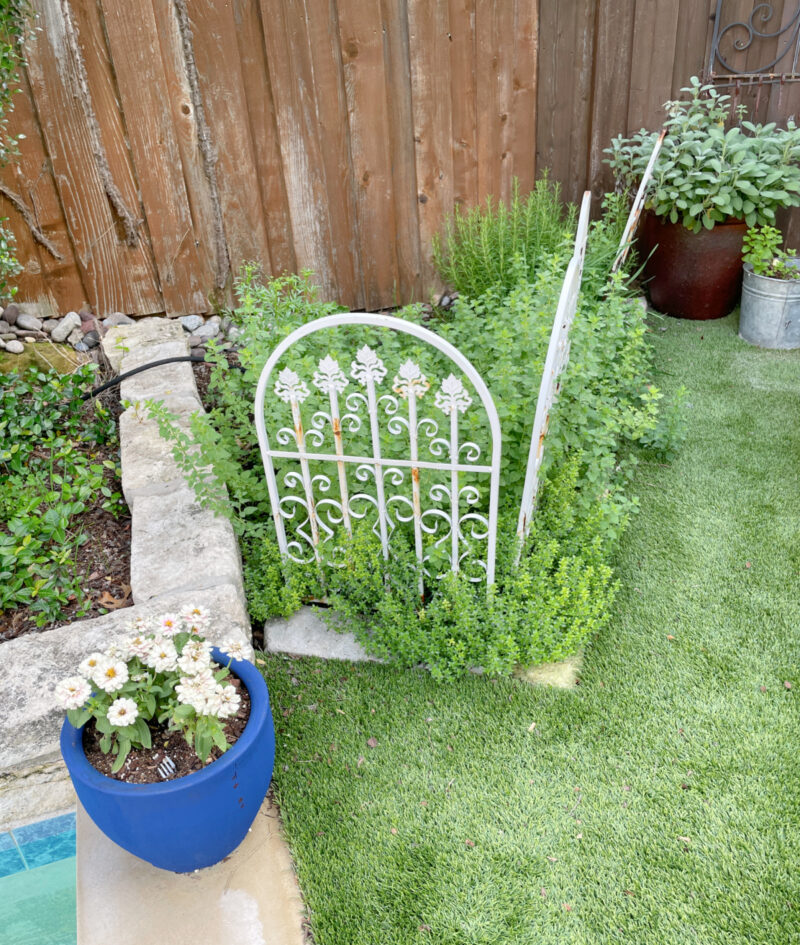
A few years ago, we took a small area in the back of our yard and made an in-ground herb garden. We have thyme, oregano, parsley, chives, rosemary, and basil.
This area of the backyard gets enough sun for the herbs to thrive.
I found the old garden fencing in Salado, Texas, over 20 years ago.
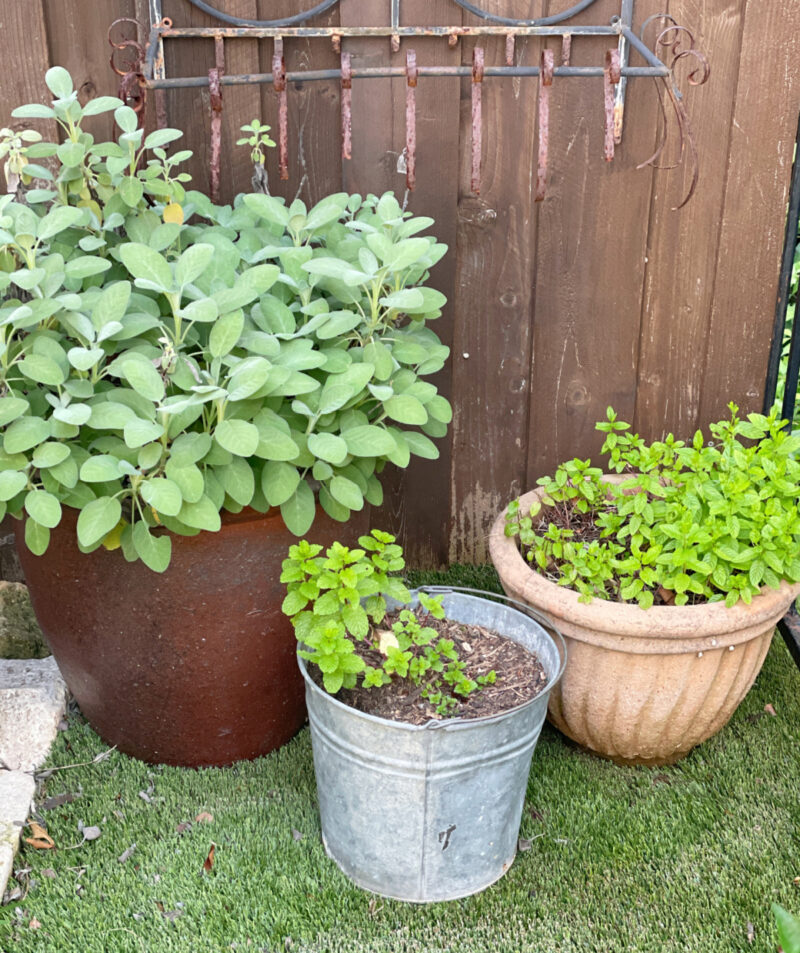
Our sage plant is so big (It’s a perennial in our zone 8.) that it stayed in a large pot. Mint in two flavors are grown in two separate pots.
I can’t wait to have enough basil in a few weeks to make a big batch of pesto.
Issues with Our Herb Garden
Although we love having herbs to use, we do have some issues.
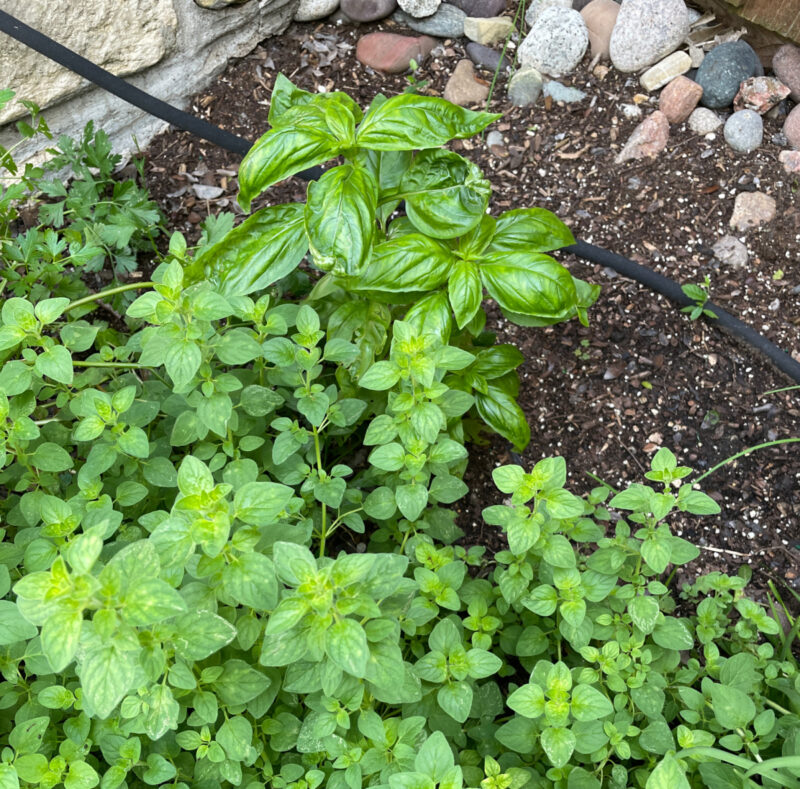
- Unfortunately, as you can see in the picture above, the herbs, especially oregano and thyme, have overgrown our small herb garden.
- The oregano has literally “rooted” into our artificial turf. It’s messy and unseemly.
- Getting to the basil and chives is a challenge, especially it the soil is wet.
- We didn’t want more pots, which would look cluttered in the back corner of the yard.
We didn’t want to give up having an herb garden, but we need a different way to do it.
Our Herb Garden Solution
The solution to our herb garden was relatively simple, but took some time. It wasn’t inexpensive, but we think it will pay off in the long run.
Dig Up the Existing Herb Garden
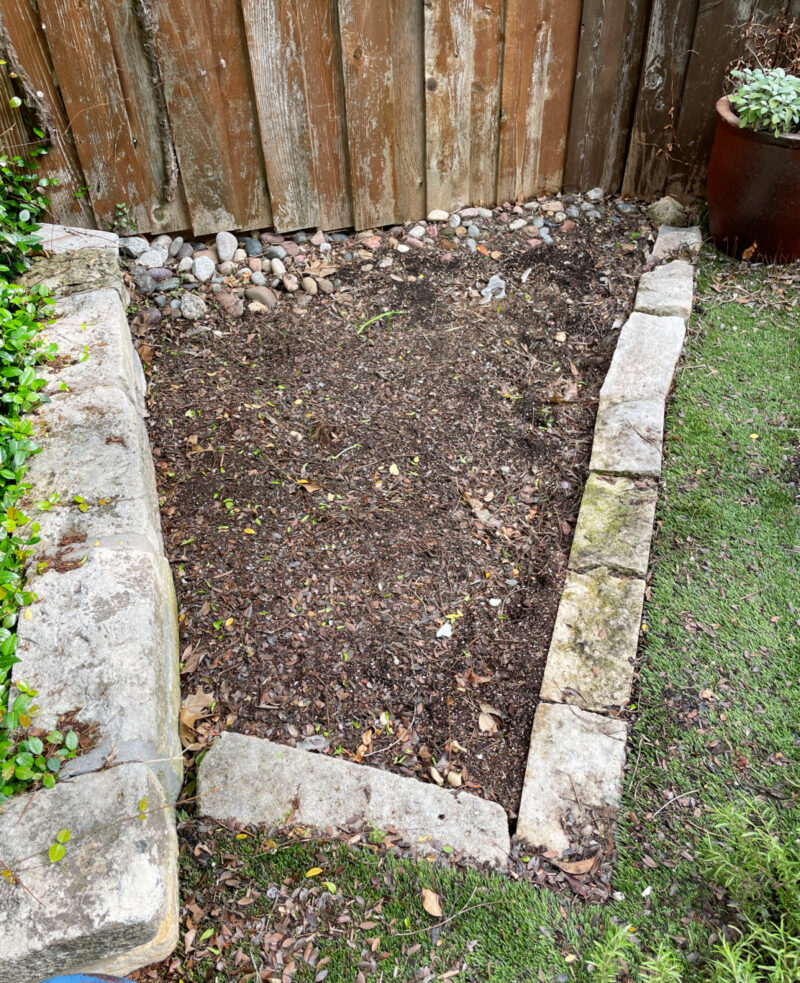
At this time of year, we have not planted any new herbs. The only things in the herb garden were the overgrown oregano and thyme.
Replace the Herb Garden with Turf
My idea was to fill in the dirt with synthetic turf to match our existing turf that was installed in August, 2021. This would give us a clean, clear extension of the grass and make the back yard seem larger.
I had all the information, so I called the company that did the installation and made an appointment to come measure and give us an estimate. A couple of days later, the same person from almost five years ago came out. He noticed another place where the grass had settled. The estimate was $750 to prepare and add grass in the old herb garden, raise the area that needed to be raised, and completely clean the grass.
When he said the crew could be there the next morning at 7:30, we said, “Let’s do it.”
By 10:00 the next morning, the new grass was in, and the entire yard looked pristine.
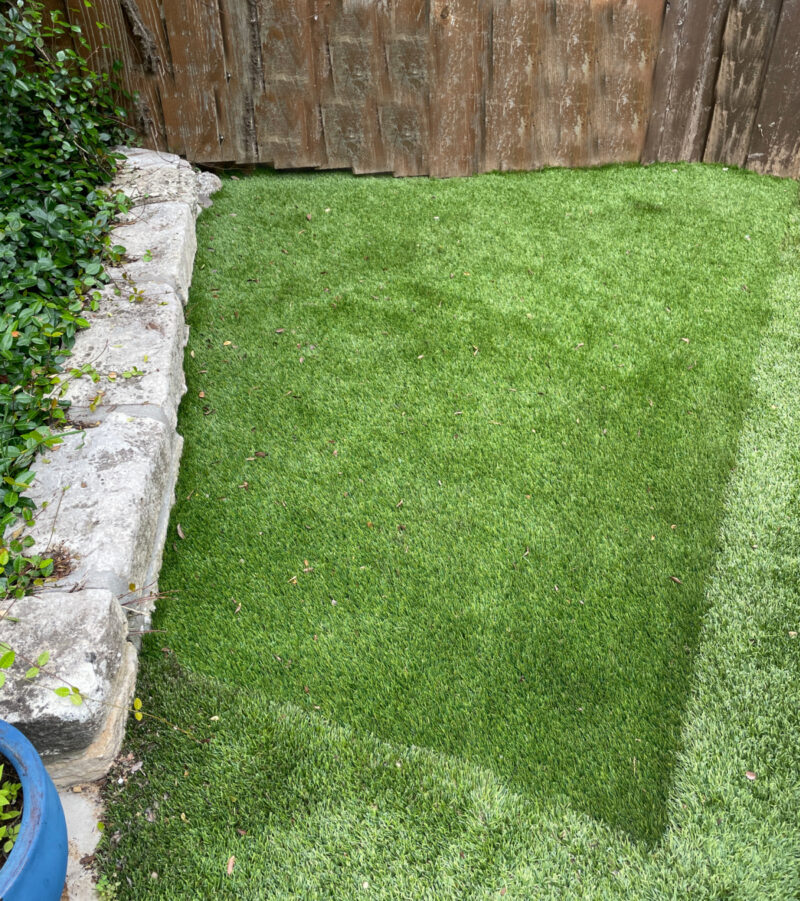
You may notice a difference between the old grass and the new installation. It’s the same type of grass, but the company told us that’s because of the age of the old grass and the different dye lot of the new grass. Who knew that grass had different dye lots?
Add an Elevated Herb Garden Bed
Before this whole process started, I had seen an article in HGTV about raised garden beds. We did some research and decided this was the best solution to our problem. The elevated garden bed from Vego Garden arrived the day before the grass was installed.
We ordered the model in olive green, 2 feet by 4 feet, with wheels.
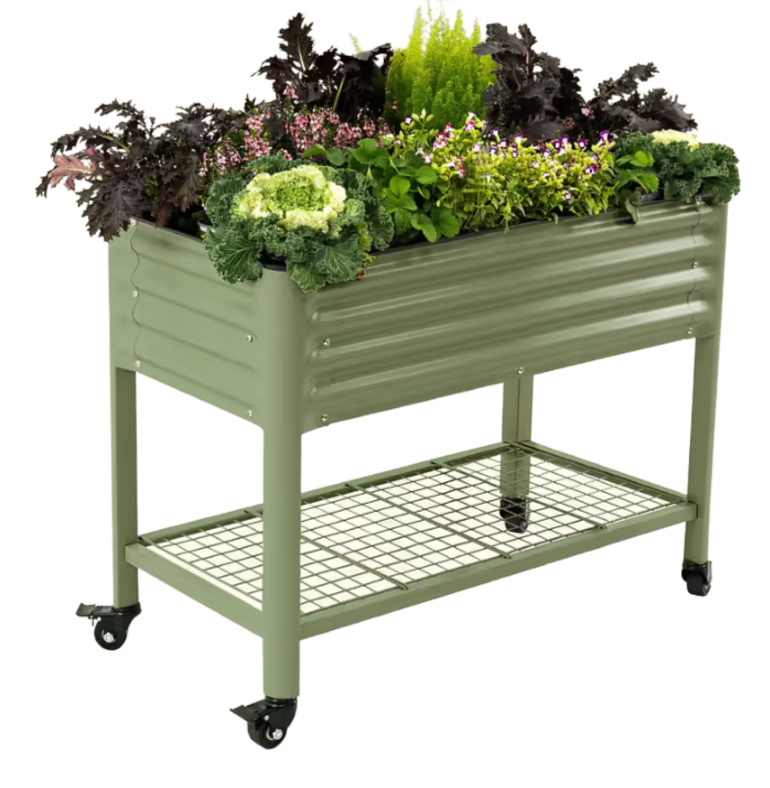
This solution did a few things:
- It keeps the herbs neat and tidy in a contained space.
- Because it is 36 inches tall, we don’t have to bend over to plant, water, or harvest the herbs.
- It has a water system so that excess water will drain.
- We chose olive green for its aesthetics, and it looks great.
- We chose to add the wheels so that we can move the garden bed to adjust for sunlight changes during the summer.
The garden bed does have to be assembled. If you have ever assembled an IKEA anything, this will be a breeze. Because of our schedules, it took two days, but can easily be completed in a few hours. It does take two people. All the nuts, bolts, screws, and tools are included. The only other thing you need is a Phillips head screwdriver.
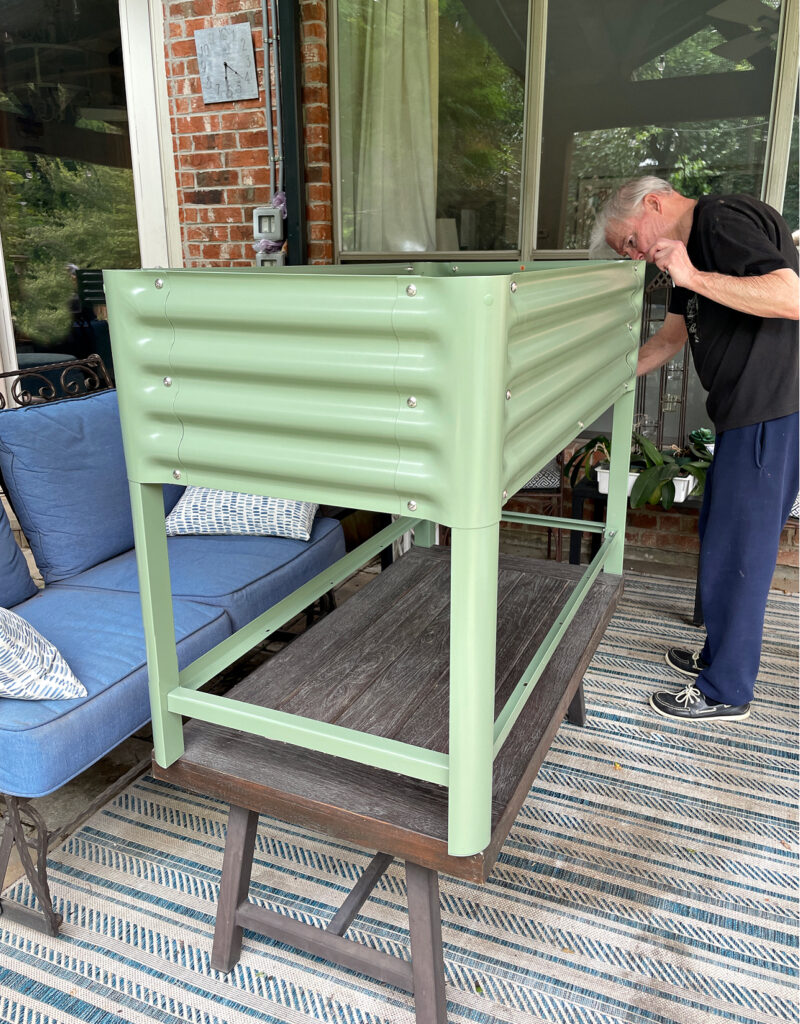
Our next steps are to fill the elevated garden bed with dirt, purchase and plant this year’s herbs.
I can’t wait to plant and watch our new herbs grow in this raised garden bed.
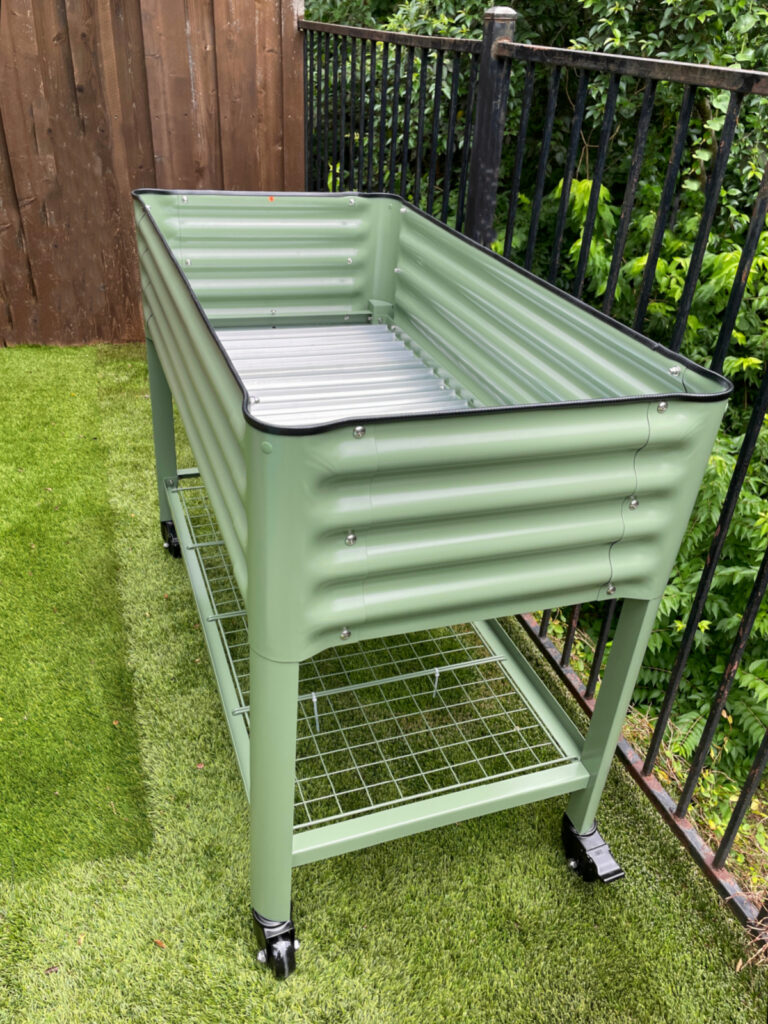
Be sure to check out how we planted this new elevated garden bed with fresh herbs.
The Benefits of Growing Herbs at Home
Here’s a comprehensive list of reasons to grow herbs at home:
- Access to fresh, flavorful herbs for cooking.
- Cost savings compared to purchasing herbs from the store.
- Ability to control and monitor the use of pesticides and chemicals.
- Aesthetic enhancement of indoor and outdoor spaces with greenery and fragrance
- Opportunity for therapeutic and stress-relieving gardening activities.
- Reducing the carbon footprint associated with herb transportation.
- Availability of medicinal herbs for home remedies and natural healthcare.
- Educational opportunities for children and adults to learn about plant growth and cultivation – my granddaughters loved choosing herbs last summer.
- They attract beneficial insects and pollinators to the garden.
- Satisfaction of self-sufficiency and pride in cultivating one’s own herbs.
- Fresh herbs from the garden last so much longer than the ones from the grocery store.
Hopefully, this list convinces you of all the good reasons to grow herbs at home.
Best Herbs to Grow
For those with a bit more experience, there are plenty of advanced techniques and design ideas to take your herb garden to the next level.
Here’s a list of some of the most popular herbs to grow in your DIY herb garden.
- Basil
- Mint
- Rosemary
- Thyme
- Parsley
- Chives
- Sage
- Cilantro (Coriander)
- Oregano
- Dill
- Lavender
- Lemongrass
- Tarragon
- Marjoram
- Bay Leaves
19 Resources for Growing Herbs
I’ve gathered 19 of the best herb gardening guides from bloggers and gardeners who really know their stuff. These ideas will cover all your herb gardening questions.
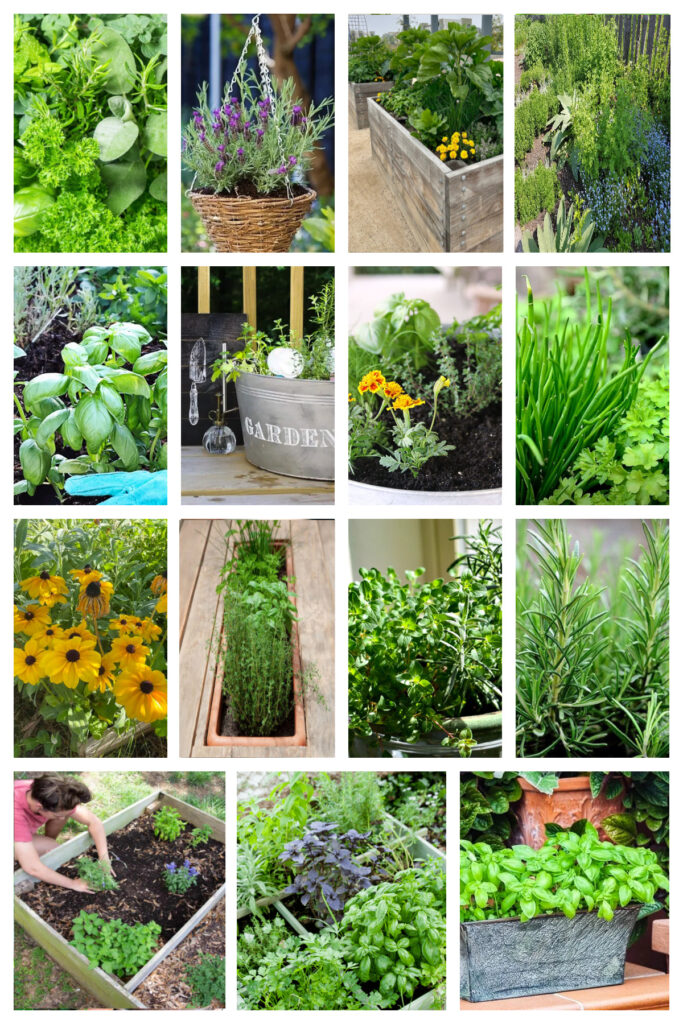
You may have gardening books in your home to help you plant and grow the best herbs.
If you go through all these posts that focus on one aspect of growing an herb garden, you will have a broad and deep understanding of what it takes to grow herbs successfully.
Have fun and happy gardening.

Planting Herbs Together
Natasha and Angela of Together Family Time are devoted to growing herbs for their small family and the environment.

Growing Herbs in One Pot
Amy of Gardening Know How shares how to plant herbs together in one container. She teaches you what herbs are compatible with one another.

Galvanized Containers for Herbs
Michelle of Our Crafty Mom shows how to use galvanized containers as an effective way to grow herbs.

Unique Garden Ideas
Kasi of Bless My Weeds shares a variety of ways to grow herbs.

Herbs to Grow in Your Shady Areas
Do you think you can’t grow herbs because you only have shade areas? Isis of Family Food Garden shows you how and what herbs can grow in the shade.

Herbs for Hanging Baskets
Do you have limited space for growing herbs? Did you now that you can grow herbs in hanging baskets? Sayush of Balcony Garden Web shares everything you need to know about growing herbs in hanging baskets.

Perennial Herb Garden
Susannah of Healthy Green Savvy shares what herbs are perennials and how to use them in your herb garden.

Do’s and Don’ts of Herb Gardening
It’s always nice to now the do’s and don’ts of anything. Sydney of Western Gardening shared 5 practices to follow for producing the best herb garden.

One Container = Many Herbs
Rachel of This Lovely Little Farmhouse shares how to use a single container to grow multiple types of herbs.

Patio Herb Garden
Adrianna of Backyard Garden Lover shows how to have a lovely herb garden on your patio. The manager of the Waldorf Astoria was the inspiration for this container of beautiful basket.

DIY Pallet Herb Garden
Short of space? Stephanie of Garden on Lee Town demonstrates how to use a pallet to make a great planter for multiple herbs that doesn’t take of much space.

Herb Garden Basics
Tasha of The Frugal Farmgirl offers lessons on creating a prolific herb garden.

How to Combine Herbs and Flowers
Jessica of Homegrown Food and Flowers advises how to grow herbs and flowers in one space.

What Herbs You Should Not Grow Together
Here’s the article for beginner herb growers: Joyce of Garden for Beginners shares what herbs not to plant together for maximum delivery.

What Herbs to Grow Indoors
Can you grow herbs indoors? Yes, and Kristen of Earth Friendly Tips tells you exactly which herbs will thrive indoors. Great for those of us who live in climates way to hot or too cold for herbs.
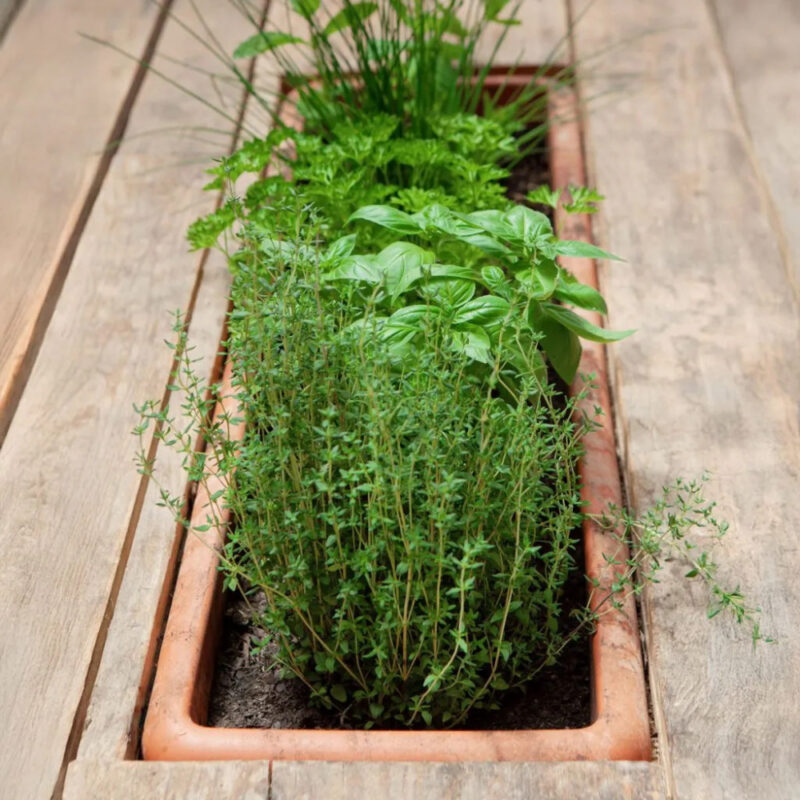
What Herbs Can You Grow Together
Planting multiple herbs together in a single patch or container is not just a space-saving technique; it’s a way to create a vibrant, aromatic, and productive mini-ecosystem in your garden or on your balcony. The Kitchen Herb shares exactly which herbs can be grown in close quarters and which should not.
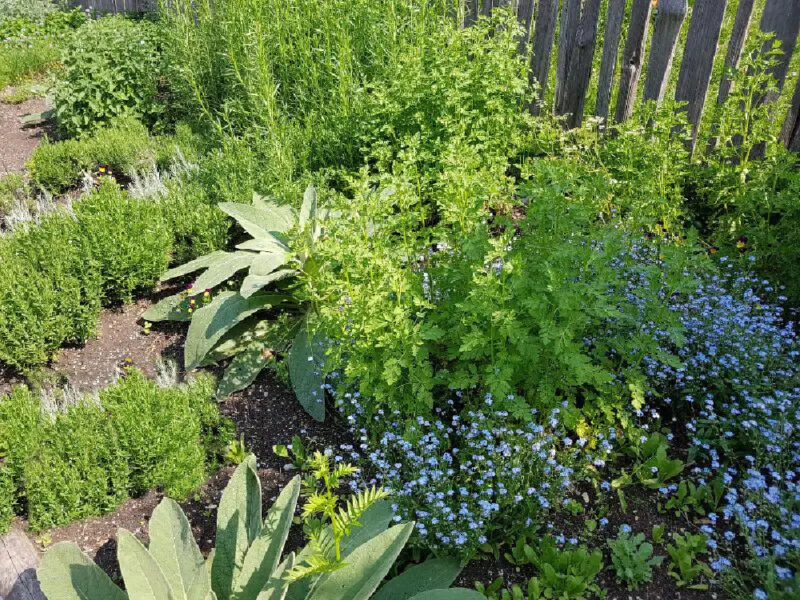
Growing Medicinal Herbs
Growing medicinal herbs at home connects us with centuries of folk wisdom and gives us ready access to plants we can enjoy as teas, salves, infusions, and everyday remedies. See the tips that Lettuce Grow Herbs shares for you.
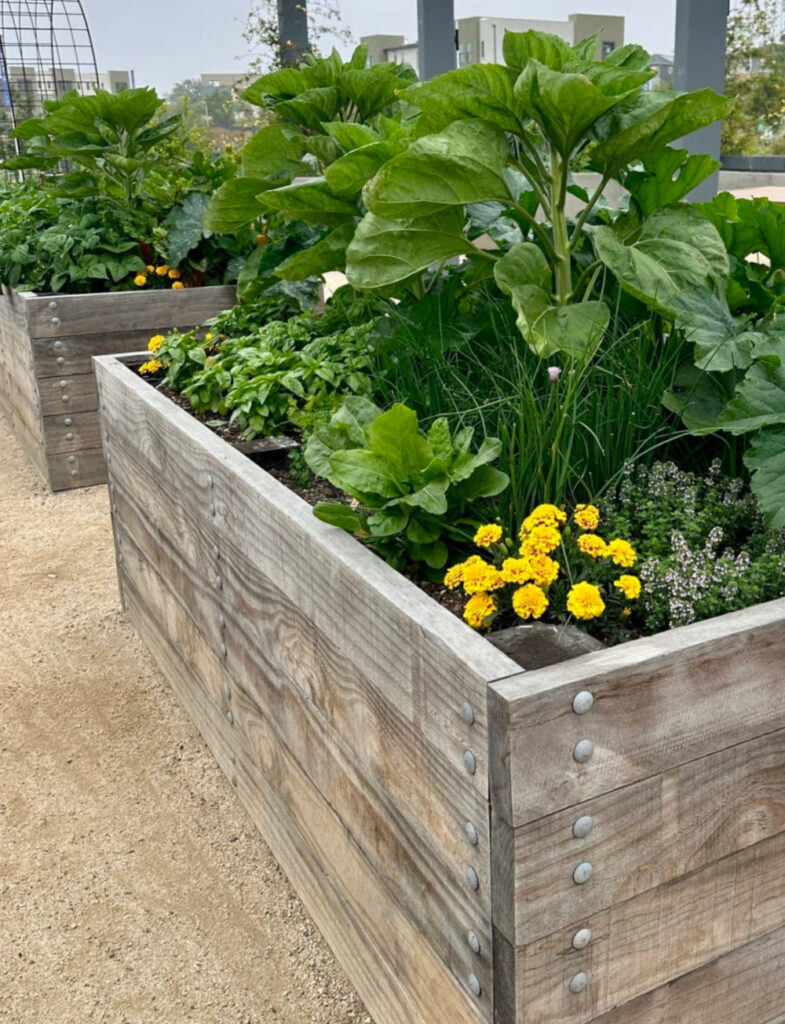
Best Herbs to Plant Together
This guide from Natalie Linda is a simple, beginner-friendly resource that helps you understand which herbs grow best together and how to care for them. It makes your herb garden easier to manage and keeps your plants happy, healthy, and thriving!
Growing Herbs in Raised Beds
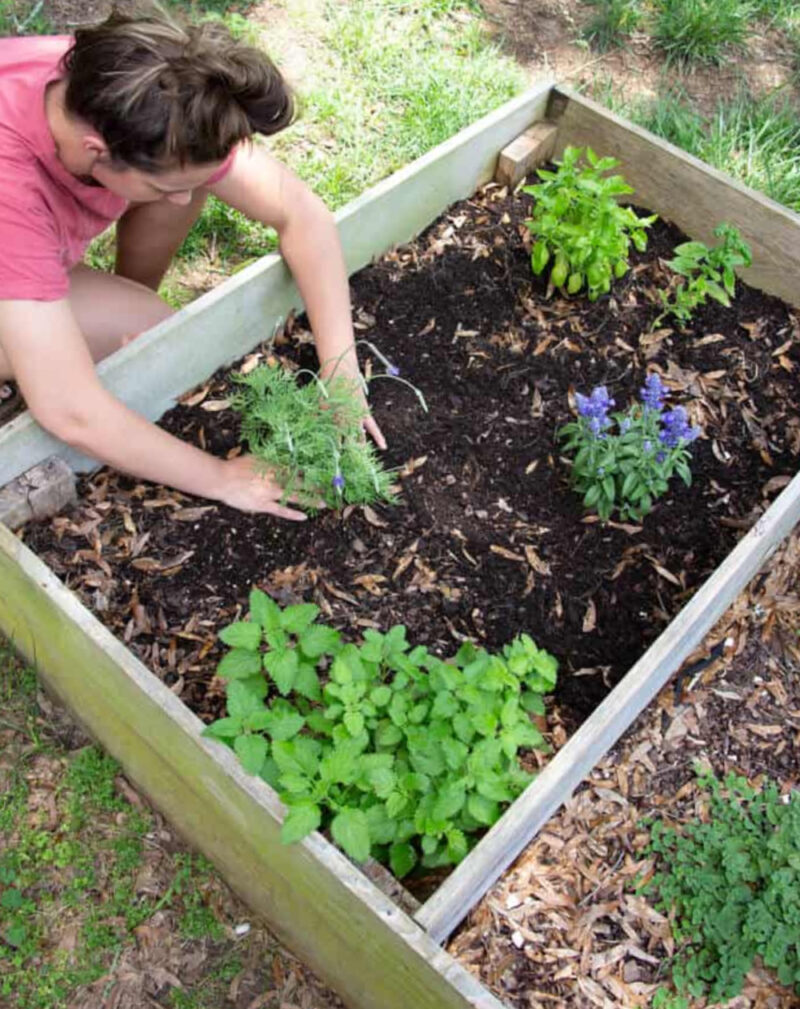
Since we will be growing most of our herbs in an elevated bed, this was exactly the resource I was looking for. Brittany of The Garden Challenge discussed the numerous benefits of growing herbs in raised beds. This article shares how to enjoy the fresh flavors and aromas of homegrown herbs by using raised beds in your garden.
Gardening Ideas
Want to keep all these herb garden ideas? Be sure to PIN to keep these ideas handy. You might want to check my Pinterest Board, Flowers and Gardening.






Great article with clear explanations. I found the information very helpful and practical. Looking forward to reading more posts like this.