9 Tips for Choosing the Best Paint Color for Your Home
With Q4 upon us, you may be thinking of updating your home with a new paint color for the holidays. Choosing the right paint color takes time and careful consideration, and the decision should not be rushed. Here are 9 helpful tips for choosing the best paint color for your home.
Going to the paint store and staring at the endless wall of paint chips can strike fear in the heart of any homeowner.
Choosing the right paint color for a room sounds easy enough, but there’s nothing that will keep us from updating a room more than the fear of picking the wrong color—what I call FOPTWC (Fear of Picking the Wrong Paint Color).
Yes, we all say, “it’s just paint and you can repaint.” But paint has gotten more expensive, and labor isn’t cheap. A good painter is worth his weight in gold.

I certainly have never written a book about choosing paint colors, but I have read a lot about the subject. I’ve culled several tips that will help you in the future as you try to pick the perfect paint color.
This post contains affiliate links to products used to create this project. If you should order any item from this site, I may receive compensation, but you do not pay a penny more. Your purchase is greatly appreciated as it helps support the continued publication of this site.
1. Choose the Major Pieces in a Room First
Start with the flooring, furniture, area rugs, fabric, kitchen counters, and even the art. It’s much easier to match paint to these existing elements than to find elements that work with your paint choice.
Using those design elements will help you create a color palette for your space and thus find complementary paint colors.
Have your fabric samples, linens, your art, dishes, whatever elements you want to work with, available when you are considering a paint color.
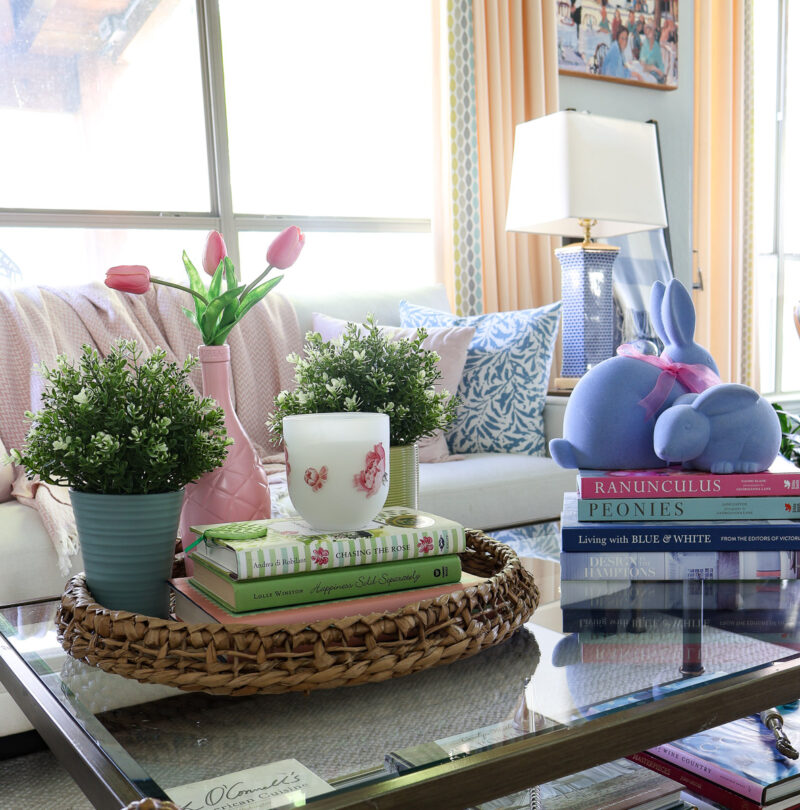
2. Don’t Ask Friends for Their Opinions
The more opinions you collect, the harder it becomes to decide. Most opinions are swayed by personal taste and perception – not actual color knowledge. Trust your instincts and the needs of your space.
Paint choice by committee usually will not result in the color that is right for your room, your home, and your family.
BIG TIP: If you do not feel comfortable making the decision yourself, seek professional paint color advice. That move will save you time, money, and frustration in the long run.

3. Learn a Little About Undertones in Paint
Paint is made up of different colors working together. There is the main color that you see, but there is always the undertone.
Even whites have undertones – put a swatch of white next to a pure white and you’ll see how it differs — the green or pink or blue undertone will show up in comparison.
You can use this trick with any color: Just put the paint color swatches you’re considering next to a pure example of that color (if you don’t have one handy, use a color wheel); the undertone will quickly reveal itself.
- Warm paints have undertones of warm colors like yellow, orange, or red.
- Cool paints have base colors or undertones of cool colors like blue, green, or purple.
Warm colors tend to create an atmosphere that’s cozy or energetic and cool colors often appear fresh and soothing.


How much and what type of natural light a room gets can have a big effect on the undertones that come out of a color. See TIP #6 Below.
4. Take Yourself Out of the Equation
Sometimes we get so caught up in what we want to see that we forget to listen to our home. When choosing paint colors, your home’s needs should take priority over personal preferences.
EXAMPLE: 13 years ago, when we bought our present home and were remodeling, I worked with a fabulous designer who helped me pick out all the fabrics and paint colors. She was wonderful and I still love the colors she chose. EXCEPT for the laundry room. I decided to paint the laundry room yellow, even though everything else in our home is a shade of blue and green. Three different paint colors, a lot of time and money, and I was never happy with the yellow. Four years later, I repainted the laundry room a soft blue grey. The laundry room has now become an enjoyable place to work. My house is not a yellow house. It’s a blue/green house.
NOTE: Although you want to choose the right paint color for your taste and style, keep in mind that there are certain paint colors that increase home value.
One of the best tools you can use in choosing paint colors is a color wheel. It’s an indispensable paint tool for all sorts of projects.

5. Pay Attention to the Hierarchy
Consider this order of importance when choosing your paint color:
- Your home’s interior finishes (Does beige or gray better complement your countertops?)
- Existing color palette in nearby rooms
- Your room’s exposure to natural light
- Your personal preferences
Considering your home’s needs first removes emotion and adds logic. Stop fighting your home and start listening to it.
6. Realize Your Perfect Paint Color Might Not Exist
Your home is not on HGTV, so there may not be the “perfect” ending to your paint project.
Why this happens:
- Uncoordinated finishes: Your home might have finishes that aren’t well-coordinated, meaning they have conflicting color needs—a huge challenge. Sometimes it’s about finding a “happy medium” or accepting “it’s not perfect, but it’s the next best thing.”
- Misaligned preferences: Your taste might not align with the colors that actually suit your home’s architecture and lighting.
- Spousal disagreements: You and your partner don’t agree on what looks good. Learn about what suits your home and focus on objective value rather than subjective taste.
- Exposure conflicts: Your room’s natural light exposure doesn’t align with your preferred color types. You might love warm, creamy whites but find your south-facing room looks too warm in them. Or maybe you have northern exposure and love gray-blues, but they make your room feel cold and unwelcoming.

The solution: Lean into your home’s needs and think about workarounds. Once you accept that the perfect color might not exist, it’s easier to settle on the next best option.
7. Consider the Purpose of the Room and the Mood You Want to Create
Every room in your home has a purpose and color can contribute to reinforcing that purpose. Consider the behavior you want to see and feel in each room.
If you are looking to create a relaxing space, ask yourself what relaxing means to you. In a living space, do you want your room to be a place for quiet reading and conversation? That will indicate a color that creates a feeling of calm.

If you intend your living space to be a place for watching TV, playing games, and entertainment, a color that evokes energy.
If you want a great book about paint color psychology, I have found The Little Book of Colour to be extremely informative and helpful.
8. Take It Easy on Yourself—You’re Not a Color Expert
If you were a paint color expert, this would be much easier! Don’t beat yourself up for struggling with color selection. Take a deep breath, and if all else fails, hire a professional and let yourself off the hook.

Remember: you’re not saving lives, you’re just picking a paint color. The beauty of paint is that you can always repaint.
9. Helpful Sampling Tips
The final step is picking a color that hopefully both you, your home, and your family can agree on. Today’s paint sampling options make choosing easier than ever—check out Samplize Peel & Stick samples.

Essential Sample Techniques:
- Always surround samples with white paper — your existing paint color will skew your perception of new samples. The only side that shouldn’t have white paper is where it meets your cabinets or trim.
- Remove rejected samples immediately — once you know you don’t like a sample, take it out of the running to avoid confusion.
- Narrow down to 2-3 favorites — don’t overwhelm yourself with too many options in the final round.
- Adjust undertones if needed — if sample colors seem off, try switching from cool to warm undertones (or vice versa).
- Observe throughout the day — look at your samples as natural light changes from morning to evening.
- Test with actual paint when in doubt — buy a quart and paint an important wall section with two coats, feathering out the edges. Use white paper around the test area for separation from the old color.

Want to Keep this List of 9 TIPS FOR CHOOSING PAINT COLORS? Click the image below.

Other Quick Paint Tips
Here are a few quick paint tips to keep in mind:
- The same paint color can look drastically different in two different rooms, depending on the kind of light it gets.
- Pay attention to the size of the room when choosing a paint color.
- Consider artificial light in a room.
- In addition to the color of paint, consider the finish of the paint.
- Live with paint samples for a few days to see it in different natural light and artificial light.
- The style of your home, the lighting, and your home are more important than trendy paint colors.
Here’s another post with valuable information for choosing paint colors: Valuable Guide to Choose the Best Paint Colors.

Reference Books for Choosing Paint Colors
If you are interested in diving deeper into the subject of interior paint colors, check out these resources:
- The Little Book of Colour
- House Beautiful Colors for Your Home
- Beautiful by Mark D. Sikes
- The Color Scheme Bible: Inspirational Palettes for Designing Homes
Ready to conquer your FOPTWC? Use these tips and take it one step at a time. Trust the process, and remember—it’s just paint!
Here are some helpful Pinterest Boards that focus on paint colors: Home Decor Colors and Home Decor. Save this valuable information to her favorite Pinterest Boards.