
Easy Pasta Primavera: A Fresh, Healthy Spring Recipe
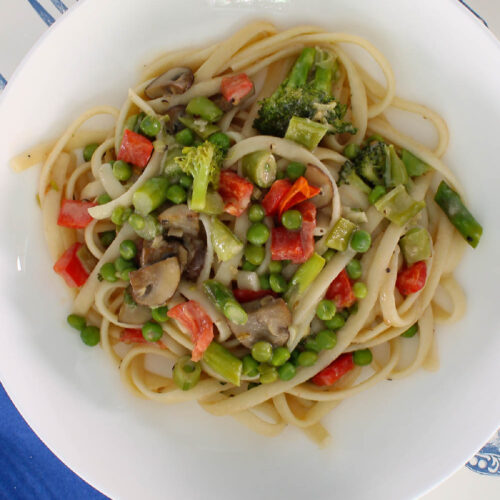
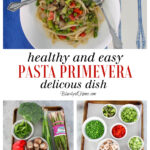
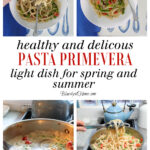
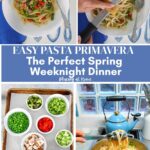
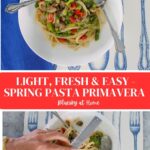
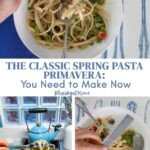
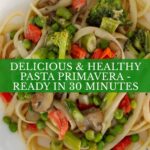
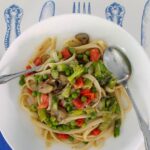
Do you enjoy making easy and delicious dishes that celebrate the best of the season? I have a classic recipe that is perfect for spring – healthy, fresh, and absolutely delicious. It’s Easy Pasta Primavera.
Pasta Primavera is a classic pasta dish that is perfect for spring. It’s light and refreshing, packed with fresh seasonal vegetables and herbs – everything that makes this time of year so special in the kitchen.
To be honest, I hadn’t made Pasta Primavera in years. Then recently I came across a recipe in the Wall Street Journal that reminded me of all the great reasons to make this dish – especially right now, when spring produce is at its peak.
One of the best reasons is that it’s a wonderful way to showcase the fresh vegetables and herbs that are showing up at farmers’ markets and grocery stores this time of year.
So, of course, I made it for Sweet Shark and me – and we remembered immediately why it’s such a classic. It’s light, flavorful, and comes together so easily.
Like, why don’t I make this more often? I will now, and after seeing how easy it is, I hope you’ll add this healthy and easy pasta primavera to your spring dinner rotation, too. It’s a great addition to any meal plan.

This post contains affiliate links to products used to create this project. If you should order any item from this site, I may receive compensation, but you do not pay a penny more. Your purchase is greatly appreciated as it helps support the continued publication of this site.
Origins of Pasta Primavera
The word “primavera” means “spring” in Italian, which is fitting since this dish is typically made with fresh spring or summer vegetables.
The history of Pasta Primavera is a bit questionable, but it’s believed to have originated in New York City in the 1970s. The dish was created by Sirio Maccioni, the owner of the famous Le Cirque restaurant, one of New York’s most celebrated fine dining destinations. (Sweet Shark and I went to the one in Las Vegas years ago.)
It quickly became a hit with diners and was eventually featured in a 1977 article in the New York Times by Craig Claiborne and Pierre Franey. The article included a recipe for the dish, which helped to popularize it even further.
Over the years, classic Pasta Primavera became a popular dish in Italian-American cuisine from the 1980’s – 2000’s. I think it’s one of those dishes that was forgotten. It’s time to bring it back because it’s so good.
Ingredients in Pasta Primavera
Pasta Primavera is a versatile dish that can be customized to suit your tastes and preferences. The ingredients vary depending on the recipe, but the dish typically includes a variety of fresh spring vegetables, pasta, and a light flavorful sauce.
You can add any combination of vegetables that you have on hand. It doesn’t take a whole lot of any particular vegetable which makes it a great dish for using up leftover vegetables.
Here are some of the most common vegetables used in Pasta Primavera:
- Fresh Broccoli
- Fresh Asparagus
- Peas, Fresh or Frozen
- Red Bell peppers
- Fresh Mushrooms
- Green onions
- Zucchini
- Fresh Sugar snap peas or Snow Peas
- Tomatoes
You can use any type of pasta that you like in Pasta Primavera, although linguine and fettuccine are the most popular.
The sauce for Pasta Primavera is typically a light cream sauce and that is what I made. If you want a lighter sauce, then you can use just olive oil.
Flavoring enhancements can be garlic, lemon juice, or red pepper flakes. The addition of fresh herbs like basil, oregano, and parsley really helps to brighten up the dish and give it a burst of flavor.
Why is Pasta Primavera a Great Recipe for Spring?
As the weather warms up, I’m always looking for light and refreshing meals that showcase the best of seasonal produce. That’s why I love Pasta Primavera. Here’s why it deserves a spot in your spring dinner rotation:
- It’s light and fresh. Unlike heavier pasta dishes with red or meat sauce, Pasta Primavera won’t leave you feeling weighed down. It’s a great way to enjoy pasta without feeling like you need a nap afterward.
- It comes together quickly. All you need are a few simple ingredients and about 30 minutes for a delicious, healthy meal that’s perfect for any night of the week.
- It’s completely customizable. Add more veggies, swap the pasta for a gluten-free option, or add protein like grilled chicken or shrimp – the recipe adapts easily to what you have on hand.
- It’s a great way to use up leftover vegetables. We can only eat half a pound of asparagus, half a crown of broccoli, half a bunch of green onions, and half a red pepper at one meal – the rest is perfect for pasta primavera.
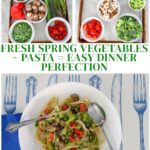
The only step that takes a little time is prepping your vegetables – but that can be done ahead. I always gather and prep all my ingredients before I start cooking. That’s called “mise en place” – a French culinary term meaning “everything in its place.” It makes the actual cooking go smoothly and quickly.

Then you chop, dice, peel, and measure all your vegetables.

Next, gather your pasta, cheese, cream, and seasonings.

How to Make Pasta Primavera
I rarely follow a cooking recipe exactly, and this one was no exception. I’ll share the recipe, but show you what I did differently.
Step-by-Step Instructions
Making pasta primavera is surprisingly easy and requires little time or effort. Here’s how I made it:
- Gather all your vegetables.
- Wash, chop, dice, peel, and measure your vegetables as needed.

I’m a stickler for peeling the tough stalks of asparagus.

Halve your cherry or grape tomatoes.

3. Measure your heavy cream or half-and-half.
4.Grate your Parmigiano Reggiano cheese. I use a Microplane.
TIP: Put a piece of wax paper or parchment paper under your block of cheese for easy pickup.
NOTE: Buy Parmigiano Reggiano in its block form. It will be so much fresher and better tasting than pre-shredded cheese.

5. Measure or weigh your pasta. Or just eyeball how much you need. This recipe calls for a pound for 4 servings.
6. Bring a large pasta pot to a boil and add plenty of kosher salt.
7. Add the pasta to the boiling water and cook according to the package instructions, stirring occasionally. Linguine, spaghetti, or fettuccine takes 9-10 minutes to cook.
8. While the pasta is cooking, heat the olive oil over medium-high heat in a large skillet.

9. Beginning with the mushrooms (cook for about 5 minutes), then the sliced green onions (add a pinch of kosher salt), sautéing your vegetables until they are crisp-tender. Stir in a pinch of red pepper flakes.
NOTE: You can add peeled and chopped garlic cloves when you add the green onions, if you like.

10. Then add the broccoli, asparagus, red bell pepper, and sugar snap peas – I always remove the “strings” from the sugar snaps. Stir the vegetables for about 7 minutes, until tender-crisp.


11. Remove the vegetables to a large bowl and season with salt and pepper.
12. Over low heat, add the heavy whipping cream to the skillet. Don’t let it boil. Stir in the grated cheese.

13. Add the halved cherry tomatoes and thawed peas, and stir to combine.

13. Return all the vegetables to the skillet and stir to combine with the cream sauce.
14. Once the pasta is cooked al dente, drain it and add it to the skillet with the vegetables.

15. Toss everything together until the pasta is coated in the vegetable mixture. Taste the dish for seasoning and add salt and pepper and any other herbs or spices you like, such as fresh basil and oregano.
16. VERY IMPORTANT: Add about 1/4 cup of pasta water to the skillet to help create the sauce.

17. To serve, divide the Pasta Primavera into serving bowls and garnish with grated Parmesan cheese and fresh herbs.

Tips for the Perfect Pasta Primavera
- Don’t overcook your vegetables. You want them to be tender but still slightly crunchy.
- Use fresh herbs and spices for the best flavor. Dried herbs can work in a pinch, but they won’t be as flavorful.
- Don’t be afraid to experiment with different vegetables. As long as they are in season, you can use pretty much anything you like.
- Don’t forget to taste as you go and adjust the seasoning as needed. Everyone’s tastes are different, so feel free to customize this recipe to your liking.
Variations of Pasta Primavera
As someone who loves to experiment in the kitchen, I am always looking for new ways to tweak a dish like Pasta Primavera. Here are some of my favorite variations:
Adding Protein
While pasta primavera is typically a vegetarian dish, adding some protein can make it more filling and satisfying. Grilled chicken or shrimp is a great option. Simply cook the protein separately and add it to the pasta and vegetables at the end.
Other Vegetables
One of the great things about Pasta Primavera is that you can use whatever vegetables are in season or on hand. Some other great options:
- Roasted red peppers
- Artichoke hearts
- Sun-dried tomatoes
- Haricot Verts
- Not typical, but if you have cauliflower on hand, you might as well try it.
Feel free to get creative and try out different combinations!
Using Different Types of Pasta
While fettuccine, spaghetti, or linguine are traditional choices for Pasta Primavera, don’t be afraid to mix it up with different shapes and sizes of pasta. Some options to try include:
- Penne pasta (tube)
- Farfalle (bowtie pasta)
- Fusilli (corkscrew)
- Gemelli (twisted)
Different pasta shapes can also affect the texture and mouthfeel of the dish, so have fun experimenting!
Pasta Primavera Recipe

Here is the original recipe that inspired this Pasta Primavera.
You’ll notice that, except for the mushrooms and the green onions, the vegetables are cooked in the boiling pasta water. I’m not a fan of boiling vegetables, so that’s why I chose to sauté them – much more flavor and better texture.
The original recipe did not use red bell pepper, but I had half of one on hand, so I included it.
Pasta Primavera

Equipment
- tomato knife optional
- bowls for holding prepared vegetables
- wooden cooking spoon
Ingredients
- 2 tablespoons olive oil
- 1 cup sliced cremini mushrooms
- 2 spring onions thinly sliced
- pinch red pepper flakes
- 1 pound fettuccine
- ½ head broccoli cut into florets, about 1 cup
- 1 cup chopped snap peas or snow peas
- 4-6 stalks medium asparagus stalks lightly peeled, about 1 cup
- 1 cup frozen green peas
- ⅔ cup heavy whipping cream
- ½ cup grated Parmigiano Reggiano Cheese more for serving
- 12 large cherry tomatoes halved
- handful basil leaves torn, for serving
- freshly cracked black pepper
Instructions
- Bring a large pot of salted water to a rolling boil.
- In a 10-inch skillet over medium-high heat, heat the olive oil until it shimmers.
- Add the mushrooms and a pinch and salt and saute, stirring occasionally, until pale brown, about 5 minutes. Add the spring onions and cook, stirring occasionally, until warmed through, about 1 minute. Stir in the red bell pepper flakes, and remove the pan from the heat.
- Add the fettuccine to the boiling water and cook approximately halfway, until malleable but still quite firm, 4 – 5 minutes.
- Add the broccoli snap or snow peas, and asparagus to the pasta pot. Cooking until the fettuccine is al dente and the vegetables are bright green and tender, 4 to 6 minutes.
- Stir in the frozen peas and let them cook for 20 seconds.
- Reserve 1/4 cup of pasta water. Drain the pasta and vegetables, but do not shake them to dry further. Immediately return them back to the pot.
- Return the skillet with the mushrooms and spring onions to medium heat.
- Stir in the cream, followed by the cheese, letting it melt.
- Add the mushroom and cream mixture to the pasta and vegetables, along with the cherry tomatoes and reserved pasta water, and cook, stirring, until the sauce just barely coats everything.
- Taste the Pasta Primavera and season with more salt, if desired. Add more cream and cheese, if you like.
- Divide among 4 plates or shallow bowls, top with basil and black pepper, and serve.
Make-Ahead and Storage Tips for Pasta Primavera
Can I make Pasta Primavera ahead of time? Yes – with a small trick. Cook the vegetables and pasta separately, then store them apart in the refrigerator. Combine and toss them together just before reheating and serving. This keeps the vegetables from getting soggy and the pasta from absorbing all the sauce.
NOTE: If the sauce has gotten too thick, add some water and/or white wine and stir over low heat.
How long does Pasta Primavera keep in the refrigerator? Stored in an airtight container, it will keep for up to 3 days. Keep in mind that the pasta will continue to absorb the sauce as it sits, so it may need a splash of olive oil, pasta water, or white wine when reheating to loosen it up.
Can I freeze Pasta Primavera? This dish is best enjoyed fresh or within a few days – freezing is not recommended, as the vegetables lose their texture and the pasta becomes mushy when thawed.
What’s the best way to reheat it? Warm it gently in a skillet over medium-low heat with a little olive oil or water, tossing frequently. Avoid the microwave if possible, as it tends to make the vegetables limp.
Equipment You Need to Make Pasta Primavera
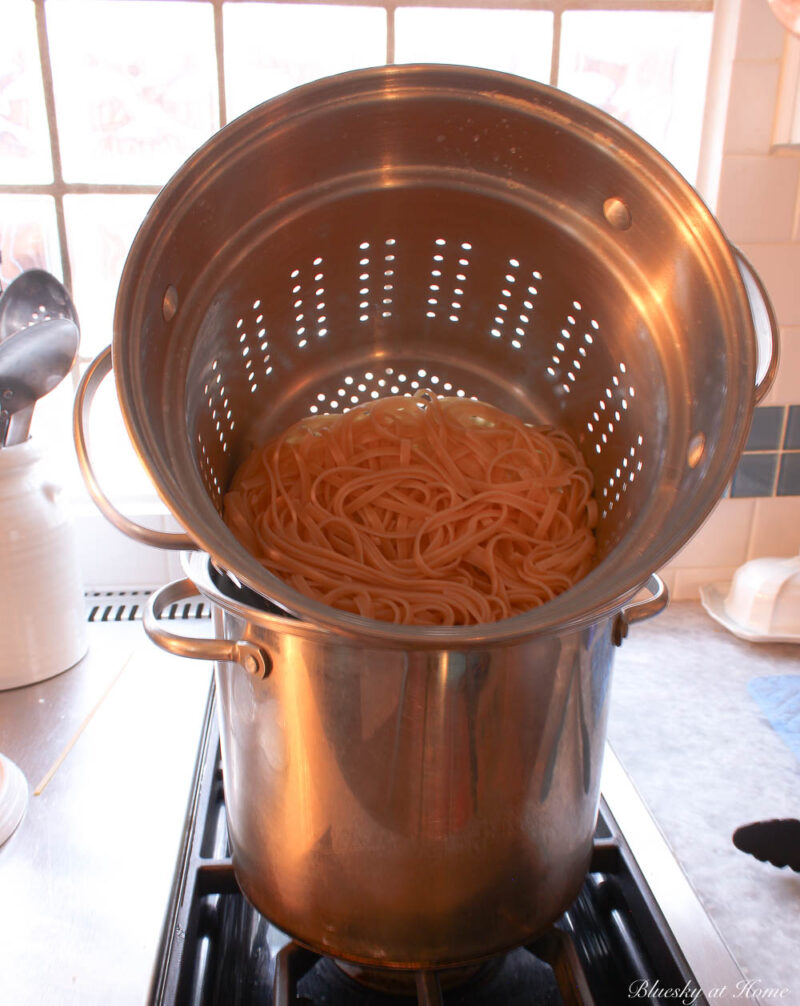
I bet you have all these kitchen tools on hand. Here is my favorite pasta pot. It is a deep pot with an insert for pasta and one for steaming.
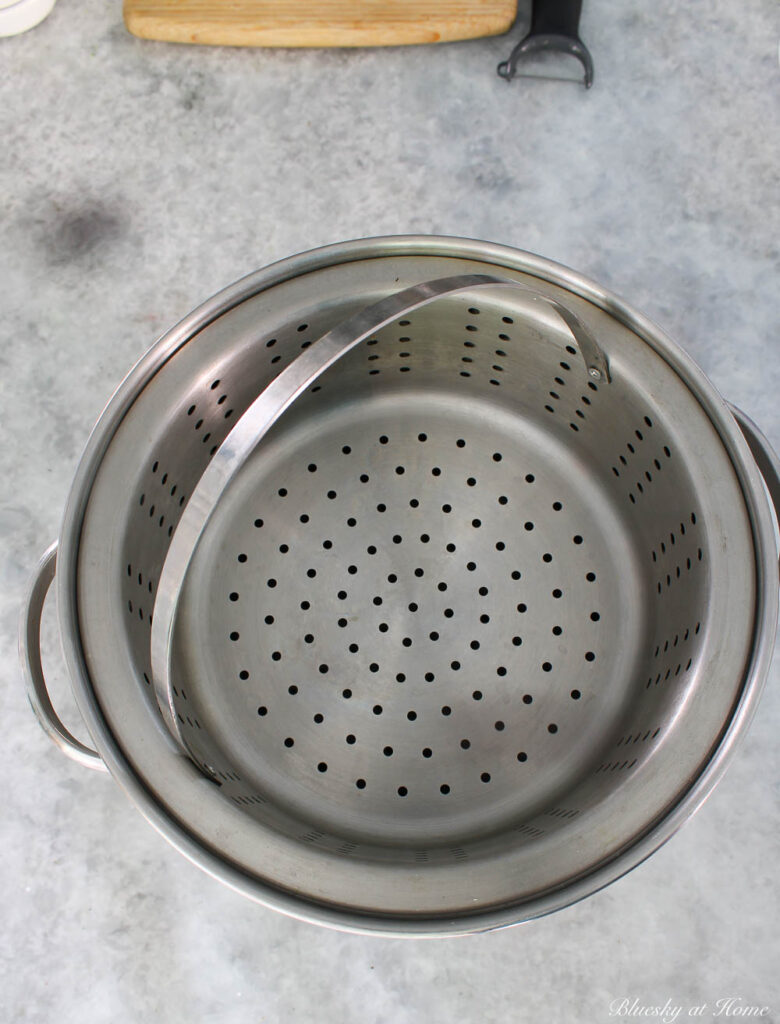
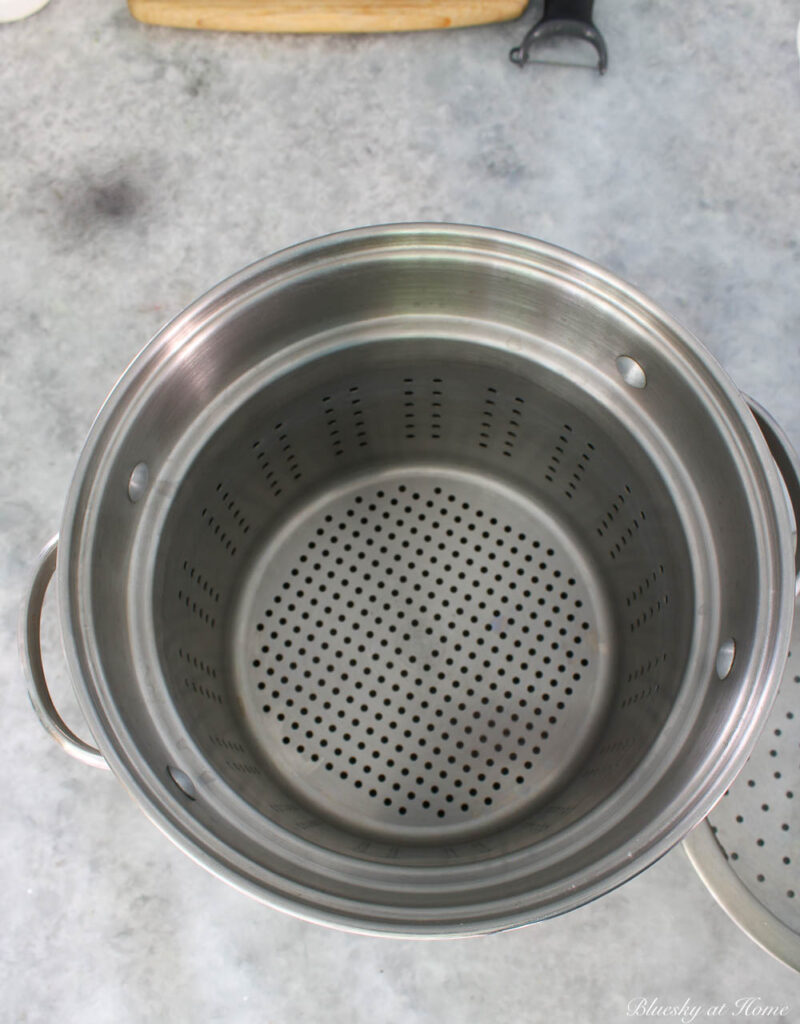
With this pot, you don’t have to drain your water and use a colander for the pasta. You use the insert to lift the pasta from the water. If it isn’t quite done, you can set it back in the water.
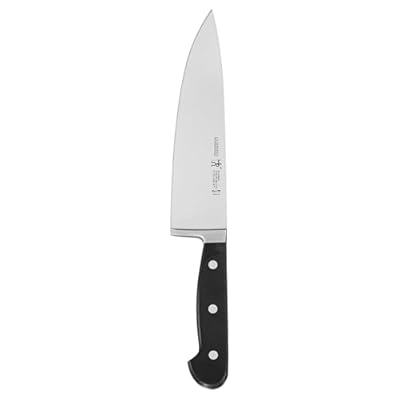


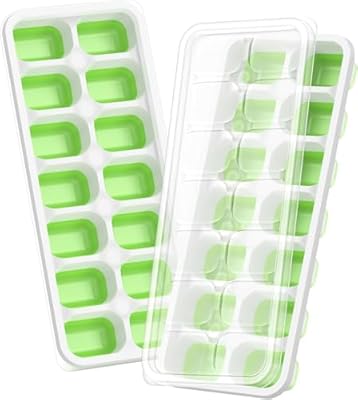


Pasta Primavera is a versatile and delicious dish that can be customized to your liking. Whether you add protein, substitute vegetables, or use a different type of pasta, there are endless possibilities for this classic recipe.

Whether you’re looking for a quick weeknight meal or a dish to serve at your next dinner party, Pasta Primavera is sure to be a hit.
You might also try this delicious spring dish: Easy Zucchini Pasta. It’s perfect for springtime.
I hope you’ll PIN this post and make Pasta Primavera. Let me know how much you liked it. Check out my Pasta Recipes and Spring Recipe Boards on Pinterest.






Can’t wait to try this dish, sounds fantastic!!!💋💋💋💙🩵💜❤️
Thanks for the recipe, Carol, and also for the history of this yummy dish! I have a recipe that I use but I am going to replace it with yours. We are having friends over on the weekend and I am going to make this for them. It just looks so delicious!